
25
2025
-
09
Optimizing the Production Process: Insights into Cheerios Processing Machines
Author:
2025-09-25 09:30
In the agricultural food machinery industry, the Cheerios processing machine plays a pivotal role in the production of this popular breakfast cereal. Understanding how these machines operate and their various components can significantly enhance productivity and product quality.
Cheerios processing machines are designed to transform raw materials, primarily whole grain oats, into finished cereal products. The process typically begins with the cleaning and conditioning of the oats. Effective cleaning is crucial as it removes impurities and ensures that only the best quality grains are used. Automated systems are often employed to streamline this process, leading to enhanced efficiency and reduced labor costs.
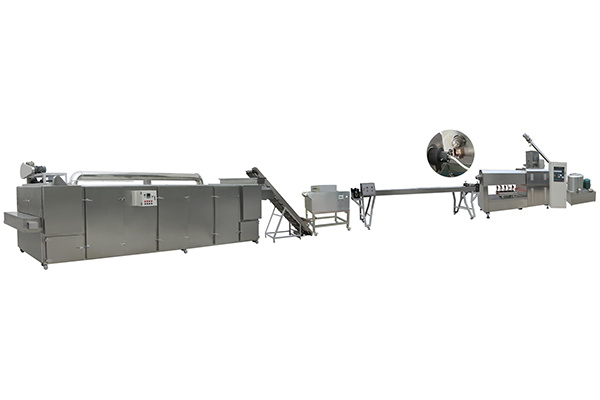
After cleaning, the oats undergo a steaming process. This step is essential as it gelatinizes the starches, making them more digestible and enhancing the final product's texture. The steaming is closely monitored, as the right time and temperature are vital to ensure the oats retain their nutritional value while achieving the desired consistency.
Once steamed, the oats are subjected to a milling process. This involves grinding the oats into a fine flour, which can then be mixed with other ingredients, such as sugars and flavors, depending on the desired cereal variety. The milling process must be precisely controlled to achieve the correct particle size, which directly affects the cereal’s final texture and taste. Advanced milling technology is commonly incorporated into Cheerios processing machines, allowing for consistent and uniform results.
The next stage is extrusion, where the mixture is pushed through a die at high temperatures and pressures. This process expands the mixture, giving Cheerios their characteristic shape and crunch. The extrusion process is a crucial part of the overall operation; therefore, investing in high-quality extruders tailored for Cheerios production can lead to significant improvements in product quality and operational efficiency.
After extrusion, the cereals are dried to remove excess moisture, which is essential for shelf stability. Proper drying techniques help prevent spoilage and maintain the cereal’s crispness. Following drying, the Cheerios are cooled and often coated with additional flavors or nutrients before packaging.
In summary, understanding the intricacies of Cheerios processing machines is vital for professionals in the agricultural food machinery sector. By focusing on each step of the production process—from cleaning and steaming to milling, extrusion, and drying—manufacturers can optimize their operations and produce high-quality cereals that meet consumer demands. Continuous advancements in technology are expected to further enhance the efficiency and effectiveness of these processing machines, ensuring that the production of Cheerios remains competitive in the evolving food industry landscape.
Other news
【 Event Invitation 】 Jinan Chenyang Technology (N6R67) invites you to join us at the Shanghai Asian Pet Expo, creating a new era in the pet food industry
2024-08-15

customize Aquatic feed production line
With the rapid development of the aquaculture industry, demands for feed quality and production efficiency are constantly rising. The aquatic feed production line—a complete set of equipment dedicated to processing feed for aquatic animals such as fish and shrimp—is progressively upgrading toward automation and intelligence, providing robust support for enterprises to achieve large-scale production.
2026-04-29
The Essential Guide to Bread Crumb Making Machines: Transforming Food Processing Efficiency
Bread crumb making machines play a crucial role in the food processing industry, particularly in the production of bread crumbs used in various culinary applications. These machines are designed to transform stale or leftover bread into versatile crumbs that serve as a key ingredient in many dishes, including coatings for fried foods, binders for meatballs, and toppings for casseroles. The operati
2026-04-17
The Future of Breakfast: Advances in Corn Flakes Processing Technology
The Future of Breakfast: Advances in Corn Flakes Processing Technology Table of Contents Introduction to Corn Flakes Processing Technology A Historical Overview of Corn Flakes Production Modern Technology in Corn Flakes Processing Sustainability in Food Manufacturing: A New Era Nutrition and Health Advancements in Breakfast Cereals Consumer Trends and Preferences Impacting
2026-04-14
Scan and add WeChat
Follow official account
Contact us
WhatsApp:+86 17686865809
WeChat: +86 17686865809
Email: cy@chenyangjixie.com
Company address: Lunzhen Industrial Park, Yucheng City, Shandong Province
Official account ©2023 Jinan Chenyang Technology Co., Ltd | SEO